Power of Existence: Somatic Knowing with Equines for Anxiety Relief
The gelding's ears flick toward the crushed rock course before I hear the car door close. He breathes out, lengthy and low, then squares his feet and waits. My client, a software application project manager who when swore she had "no time to really feel anything," actions via eviction and quits twenty feet from him. Her shoulders live someplace near her ears most days. Wrong currently. She drops her stare, softens her knees, and mirrors his exhale. By the time she takes three sluggish progressions, the muscle mass along her jaw ultimately unclench. This is what presence resembles in a sector: 2 nerves finding out to rely on the minute, one breath at a time.
Horses do not review your to‑do checklist, your schedule, or your email tone. They review your body. They discover the mini stress you bring right into an area and the solidity you construct as you show up. That immediacy is the heart of equine‑facilitated health and why so many people discover equine‑assisted solutions a functional companion for anxiety relief, stress and anxiety assistance, and sensory policy. If you have actually tried talk‑only methods and won even more understanding than adjustment, working with a horse can assist you feel your means into a brand-new pattern as opposed to discussing one.
What somatic learning actually suggests in a steed arena
Somatic discovering is body‑first discovering. You track interior experiences, test brand-new mini behaviors, and notice just how your system changes. In the context of equine‑assisted tasks, the equine functions as a receptive mirror. Your breath adjustments, his breathing often changes. Your actions organize, his attention arranges. Your border tighten, he stops crowding your space.
A simple instance: you bring a history of hurrying. You come close to a horse promptly, eyes secured on his face, breath shallow. He turns away or steps back. You pause, soften your stare, allow your breath strengthen, and turn your body thirty degrees to reduce pressure. He blinks, licks, and steps towards you. The feedback is prompt and embodied. No lecture needed. The knowing stays in your legs and lungs.
Unlike a fitness center workout or a purely cognitive skill, somatic recovery with steeds happens with co‑regulation. Equines are victim pets with extremely tuned nerves. They pick up subtle shifts in your position, breathing, and interest, and they react in kind. That common adjustment provides you a living psychophysiological feedback loophole. You do not need to strap on sensors to know you have moved, although some programs do gauge heart rate variability to strengthen understanding. You can feel it in the means an equine's chest expands under your hand when your own breath settles.
Why equines help when stress sticks
In high stress, your focus tightens, your breath obtains tight, and your body plans for activity. It is efficient in a situation and pricey if it transforms persistent. Much of my customers arrive after months or years of running as well warm, sleeping inadequate, and living in their heads. Steeds draw you back to the here and now since you can not phony tranquility in a paddock. A steed understands what your body is doing prior to you do.
Several elements make the arena a particularly tidy understanding environment for anxiety relief:
-
Herd dynamics reward clearness. Horses spend their days reviewing intent and energy to remain risk-free. If your signal is mixed, they will move away or think twice. Clear, in agreement hints invite connection. You feel what clearness does, not just why it matters.
-
Physical area modifications your alternatives. Servicing the ground with a 1,000 extra pound pet reminds your body that tiny signals have real impact. You do less and notice more. The contrast with your everyday thrill stands out.
-
Ritual helps your nerves get here. Brushing, haltering, and leading included their own rate, structures, and appears. The brush on a coat, the rasp of a curry comb, the warmth under a hand, these sensory anchors are invaluable for people that have a hard time to settle.
The science behind all this is creating, and cautious programs adhere to what can be observed and measured. We do see functional modifications: steadier breathing, boosted stance, better sleep reported the night after sessions, and simpler healing from spikes in stress and anxiety. Some groups utilize wearables to track heart rate variability and relaxing heart price prior to and after sessions. Others rely on client‑reported ratings and behavioral markers like fewer disruptions in meetings or less jaw clinching during a commute. The data will not inform your entire story, but it can verify what your body already knows.
A tiny tale of one session
Maya, a high school instructor with a history of panic on busy mornings, registered for 6 sessions of equine‑facilitated mentoring. On day one, she could not keep eye contact for greater than a second, and her breath barely moved her ribs. We started at the rail of a 60 by 120 foot sector, 5 strides from a chestnut mare called Gigi.
I asked Maya to count her steps as she walked towards the mare. At step four, Gigi raised her head and took one step back. Maya iced up, convinced she had done something wrong. She had not. She had simply strolled like she was late. We replayed the approach with a different emphasis: soften the look, breathe reduced, and allow the feet land with weight. Same four steps, various internal rhythm. Gigi's head decreased. She breathed out. Both of them stood still.
By week three, Maya can lead Gigi over a series of ground posts without hurrying. She had actually exercised a little time out at each pole, a distinct breath, and a tiny glimpse back to recognize her partner. By week 6, Maya described making use of that exact same time out at her class door. She touched the deal with, exhaled, broadened her focus to feel her feet, and gone into with a consistent voice. Nobody in the space recognized she had actually been experimenting an equine, but her students saw the difference. Much less snap. Extra ease.
The abilities that carry over
People come for stress and anxiety alleviation and leave with a handful of resilient abilities. I look for 5 that forecast great transfer to daily life: grounding, pacing, boundary clarity, healing, and concentrate shifting.
Grounding begins with your feet. On uneven arena footing, you can not stand like a statue. You flex your knees, let your weight traveling with your heels and toes, and feel the ground give and hold. That feedback reduces the floaty feeling lots of nervous customers report. We practice two to five mins at the start of each session, typically while the horse grazes near us.
Pacing shows up. Attempt to lead an equine via a narrow void at your office‑hallway speed and view what takes place. Many horses wait or stop. Slow your walk by 10 to 20 percent, take a breath out as you reach the threshold, and see just how easily they travel through. That type of embodied pacing aids with entrances, elevators, and important conversations.
Boundary quality shows up in individual room experiments. You find out to declare a circle of comfort without hostility. Go back if the equine groups you, after that invite them in with a hand signal and a breath. Individuals frequently report later on that they might request for a seat adjustment on a jampacked bus or go back from an aggressive colleague without apology.
Recovery is the nervous system art of returning to steady after a spike. In the sector, a loud noise happens or a steed surprises you with an unexpected head shake. You really feel the shock. Instead of pressing on, you note it. Hand on stubborn belly. One longer breathe out. Want to a fixed factor on the fence. Within ten to thirty seconds, you can feel on your own settle. That ability to register, have a tendency, and resume translates to parenting, management, and website traffic jams.
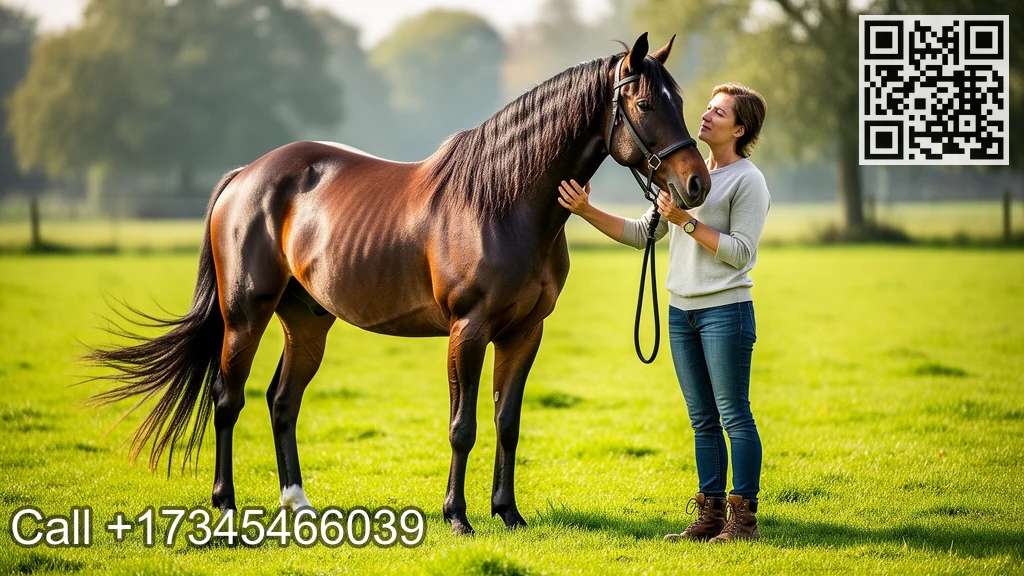
Focus moving is a learnable skill. Equines show you to widen and slim interest at will. You check the atmosphere to stay risk-free, after that you soften your eyes and concentrate on the unguis you are choosing. At work, that comes to be the difference between staying embeded hypervigilance and choosing a single job for five minutes.
An easy arrival regimen you can borrow
- Put both feet down and allow your knees unlock.
- Exhale gradually through the mouth, as if fogging a mirror.
- Widen your eyes sufficient to see left and right without moving your head.
- Let your arms hang and see the weight in your hands.
- Name one audio and one experience you can really feel right now.
I educate this at the gate, before any individual touches a lead rope. If a session not did anything else, this five‑part reset would certainly still be worth the trip.
Who advantages and just how programs adapt
Equine helped solutions cover a large span, from healing horsemanship to equine‑facilitated coaching. For stress and anxiety alleviation, individuals most often come under 3 groups.
Adults managing chronic stress and anxiety or anxiousness want an area to practice regulation without screens. Procedure frequently consist of pet grooming and leading, with mounted job optional. Anxiousness support with horses concentrates on orienting, breath, and paced exposure to slightly turning on jobs, like asking an equine to back three actions and then pause.
Teens and grownups with attention differences appreciate exactly how experiential learning with horses anchors focus. ADHD equine discovering assistance makes use of short, clear jobs with prompt comments. Think 90 seconds of halter technique, then an activity break and a fast reset. We have fun with outside framework - cones, posts, rails - to help inner framework emerge.
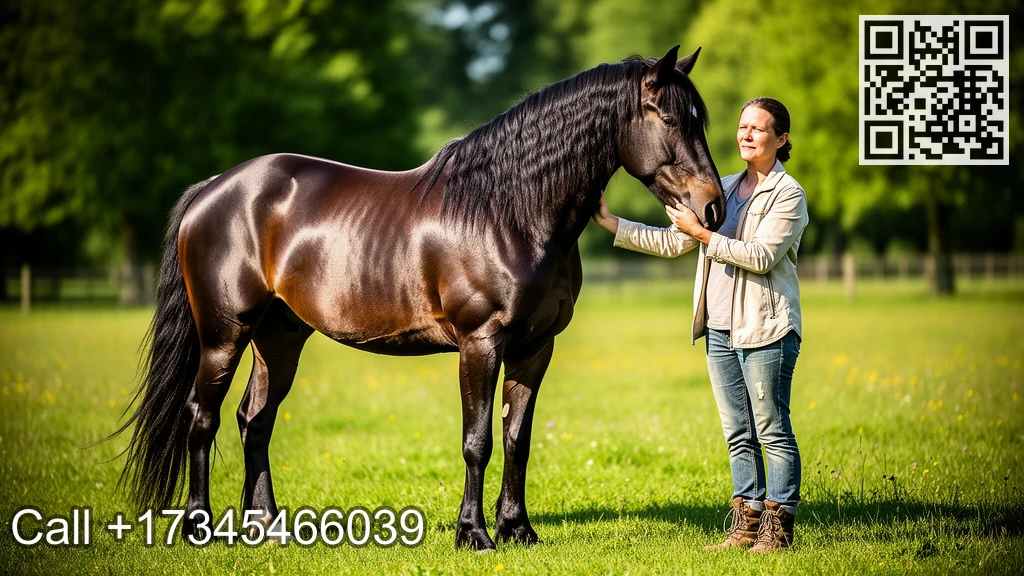
People on the autism range or with sensory processing differences benefit from the reputable rhythms of barn life. An autism equine learning program may lean on predictable sequences, consistent routines, and careful attention to sensory tons. One customer put on a heavy vest and ear defenders for the initial three sessions while we groomed outside, then progressively relocated inside your home. We tracked resistance to sound, tactile input, and closeness to the horse, relocating at the customer's pace.
Edge situations matter. Severe allergies to dander or hay can make complex sessions. A history of significant trauma may ask for a certified therapist on the group and a slower development. If a person has unchecked seizures or energetic psychosis, foundation near horses might not be safe. An honest consumption conversation shields everyone.
Sorting the hodgepodge: what different services in fact do
The area makes use of a great deal of overlapping terms. A fast guide can assist you select the appropriate door.
Therapeutic horsemanship normally suggests skill‑based interactions with horses that have restorative results. You discover horsemanship jobs like brushing, leading, and occasionally riding, with adaptations as needed. The trainer focuses on safety and security, skill, and confidence.
Equine assisted activities is a more comprehensive classification that consists of ground abilities, installed tasks, unmounted mindfulness, and barn jobs. Programs may offer youth teams, veterans, or company groups. Objectives can vary from social abilities to sensory integration.
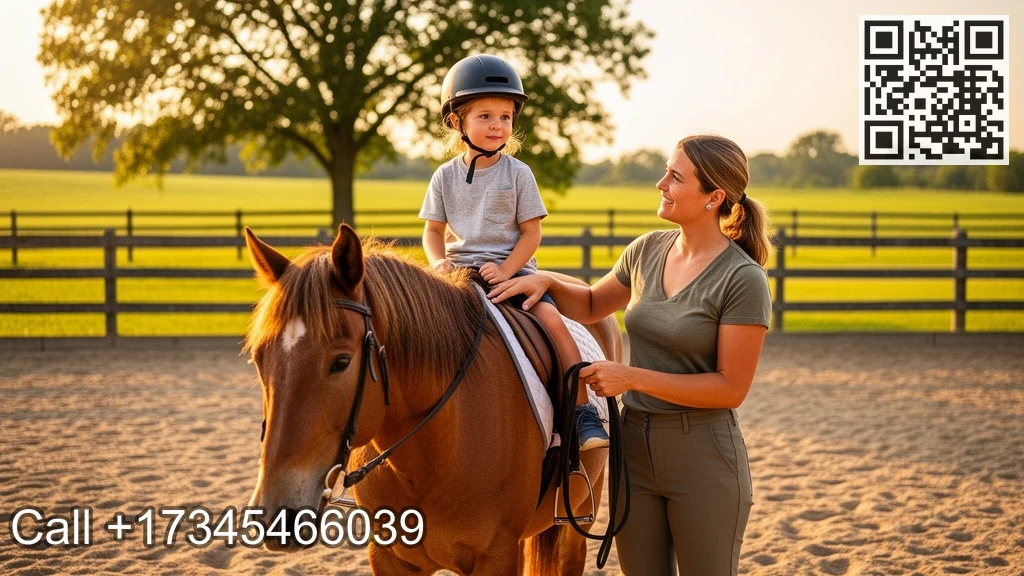
Equine helped coaching and equine‑facilitated coaching concentrate on personal or specialist growth. The trainer overviews reflection and behavior adjustment via structured workouts with equines. Tension alleviation, interaction, leadership visibility, and worths alignment appear here.
Equine assisted in wellness blends training and mental health and wellness support. Some programs include a certified mental health and wellness specialist who co‑facilitates with an equine expert. This style is perfect if stress and anxiety or injury plays a central function and you desire both nervous system work and professional backup.
Team structure with horses makes use of team exercises to highlight interaction habits, clearness of duties, and trust. You promptly see who overdirects, that hangs back, and how the team browses uncertainty. The equine's response keeps everyone honest.
These are not airtight boxes. Quality depends less on labels and even more on the training of the humans in the sector, the viability of the steeds, and the clearness of your goals.
Safety, training, and ethics you should expect
Horses are huge, delicate pets. You should have a program that treats them and you with respect. Try to find facilities that preserve clear security protocols: helmets offered for installed job, closed‑toe footwear needed, and gates safeguarded throughout sessions. Well run sectors set restrictions on team dimension, typically four to 6 participants per facilitator, and maintain a tranquil herd of 3 to eight horses ideal for the work.
Ask about qualifications. Trainers in therapeutic horsemanship typically lug qualifications with organizations such as course Intl. Or similar national bodies. Professionals in equine‑assisted mentoring may have training in both coaching and equine actions. If psychological health needs belong to your objectives, look for a certified therapist in the session or in close cooperation with the equine specialist. Good programs also buy horse well-being. Sessions are paced to prevent overwork, equines obtain regular vet and bodywork treatment, and training methods prefer low‑stress handling.
Ethically, facilitators must function within extent, refer out when concerns surpass their training, and get enlightened approval. You should listen to clear language regarding what a solution is and is not. As an example, an equine‑facilitated training session can boost anxiety guideline. It is not a replacement for treatment if you are experiencing serious clinical depression or a clinical emergency.
What a session looks like, min by minute
Plan on 60 to 75 minutes for a private session. Anticipate a couple of minutes of arrival and settling, then a warmup like grooming or walking the rail while tracking breath. We move right into a couple of focused workouts - probably halter practice with purpose matching, or a border drill where you ask a horse to quit at a cone and wait. Reflection occurs around the rail or in a quiet tack room, and afterwards we close with a short reset so you leave steady, not mixed up.
Group sessions usually run 90 minutes to two hours to permit everyone time with a horse and with the team. Corporate team structure with horses usually consists of a debrief that ties field patterns to workplace dynamics, with clear takeaways and next steps.
Measuring progression without getting shed in numbers
I like basic steps that align with daily life. Prior to each session, clients rate their existing stress from 0 to 10 and choose one body pen to track - jaw tension, belly fluttering, or shoulder elevation. After the session, we price again and document one actions that really felt easier - saying no, slowing down speech, or moving a horse with a slim space without rushing.
For those who such as information, wearables can track relaxing heart rate and sleep quality the evening after sessions. Some programs step heart price irregularity throughout foundation to show live shifts. Use numbers to validate change, not to go after perfection. Over six to 8 sessions, the majority of people see steadier baseline state of mind, fewer spikes that hinder a day, and quicker recovery when tension hits.
Cost, logistics, and what to wear
Fees differ by region and format. Specific equine‑facilitated coaching commonly varies from 100 to 225 USD per session. Group rates for team structure with horses depend on group dimension and objectives yet commonly drop between 900 and 2,500 USD for a half day. Scholarships or moving scales may be offered with nonprofit centers.
Wear closed‑toe shoes with a strong walk. Avoid headscarfs, dangly fashion jewelry, or anything that flaps. Dress in layers, barns run cooler than offices. If you are scent sensitive, tell your facilitator. We can pick quieter grooming tools and work outdoors. If you are audio delicate, ear protection is welcome. The goal is not to persist. It is to find out how to control with the support you need.
Five questions to ask before you book
- How do you display and pick steeds for this work, and the number of sessions do they do per day?
- What training and certifications do your facilitators hold, and just how do you take care of referrals?
- How do you tailor sessions for anxiety, ADHD, or sensory sensitivities?
- What does a normal session consist of, and how will we determine when to add or avoid installed work?
- How do you measure development and shield both client and steed safety?
Good answers will certainly be clear and calm. If you feel hurried or offered to, maintain looking.
When tension shows up at the workplace, bring the sector with you
After loads of team offsites in the barn, I have actually watched the exact same patterns play out: the individual who sets all the cones alone, the colleague that speaks to fill up room while a steed waits for a basic hint, the supervisor that attempts to drag the lead rope rather than welcoming movement. The aha moments are sensible. You see that quality beats volume. Alignment beats pressure. And you exercise a kind of listening that does not finish when you leave the pasture.
For leaders, equine‑assisted mentoring develops existence. You find out to signify intent with economic situation and to correct without acceleration. Group structure with horses reveals rubbing without blame, transforming it right into a common experiment. If your team fights with trust or speed, an afternoon in the sector can surface the concealed levers - where you rush, where you fold, where you hold.
Building a bridge back home
A great session finishes with https://tysonzrgs710.swiftnestly.com/posts/barnside-developments-equine-assisted-training-forever-transitions a bridge. What will you do this night or tomorrow morning that mirrors what dealt with the steed? We keep it tiny and particular. If you found a valuable breath cadence, established a reminder on your phone to practice it 3 times tomorrow, thirty seconds each. If a hand on your mid back assisted release your shoulders, pair it with an everyday job you already do, like awaiting the pot to boil. If boundary practice altered just how you asked a steed to stop briefly, create one sentence you can use with a family member or colleague - short, kind, and clear.
Barn routines make great home routines. Curry brushes end up being dishwashing sponges, stable circles that calm your hands. Leading a steed via poles comes to be strolling on your own with an early morning sequence: feet on the floor, beverage water, take a breath, open curtains, step for 2 mins. The content modifications. The nervous system discovers the map.
How programs manage setbacks
Not every session feels like a win. Some days you get here warm from the highway and a lawn mower discharges up behind the arena. Possibly the horse you dealt with recently gets on a pasture break. We do not power through. We call what is hard, simplify the plan, and win a little success. If eye contact felt like excessive, we change to parallel play - you and the equine strolling the imprison the very same instructions a couple of lawns apart. If touch triggered alarms, we groom with a long‑handled brush or no brush at all, viewing breath instead.
In my notes, I track these shifts as essential discovering. Life hardly ever hands you the best conditions. Resilience expands when you maintain your rituals tiny enough to endure a loud day.
What equines obtain from this work
People usually ask if the equines like it. The truthful answer is that it relies on the program. In a healthy and balanced arrangement, steeds reveal indications of leisure during sessions - soft eyes, lowered heads, eating and licking, a swing via the back as they stroll. They get breaks, yield with buddies, and times off. We choose workouts that make sense for each and every personality. A curious gelding may flourish on challenge tasks with posts and cones. A reserved mare may like silent pet grooming and sluggish leading. When an equine signifies no - pinned ears, a limited mouth, a swishing tail that does not match the context - we listen.
This is somatic discovering for the entire herd, human beings consisted of. Permission matters. Timing issues. Relax matters.
Getting started
If this work calls to you, start with a phone call and a go to. Stroll the barn aisle. Enjoy one session if the program allows observers. Satisfy the horse who could partner with you. Notice your breath at eviction. You are not auditioning for a riding team. You are finding out to appear for your very own body with assistance from a species that tells the truth kindly and fast.
Whether you select healing horsemanship for ability and self-confidence, equine‑assisted activities for sensory combination, equine‑facilitated wellness for deeper guideline, or equine‑assisted coaching for leadership clearness, the typical string is visibility. Stress and anxiety shrinks in the face of constant interest. A horse meets you where you are, requests harmony, and supplies companionship as you practice.
I have actually seen executives deny their quantity without shedding authority, teens with ADHD discover a rhythm that fits, and parents with frazzled nerves recover a calm voice at going to bed. None of them left with an ideal life. They left with a body that recognized the back to facility, a few breaths at a time, and the memory of a cozy flank climbing under a consistent hand. That is the power of presence. The steed shows you where it lives, then welcomes you to bring it home.
Happy Hooves Wellness
9177 Gross Rd, Dexter, MI 48130
+17345466039
https://www.hhooves.com/